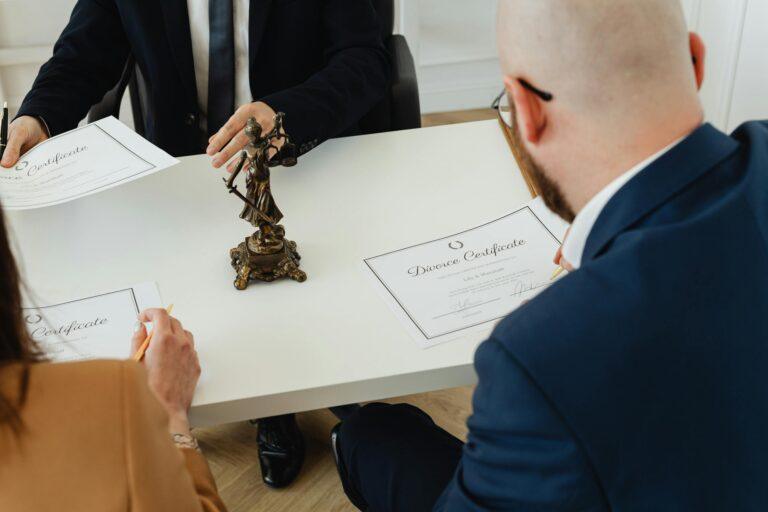
Who Keeps the Engagement Ring After a Breakup in Illinois?
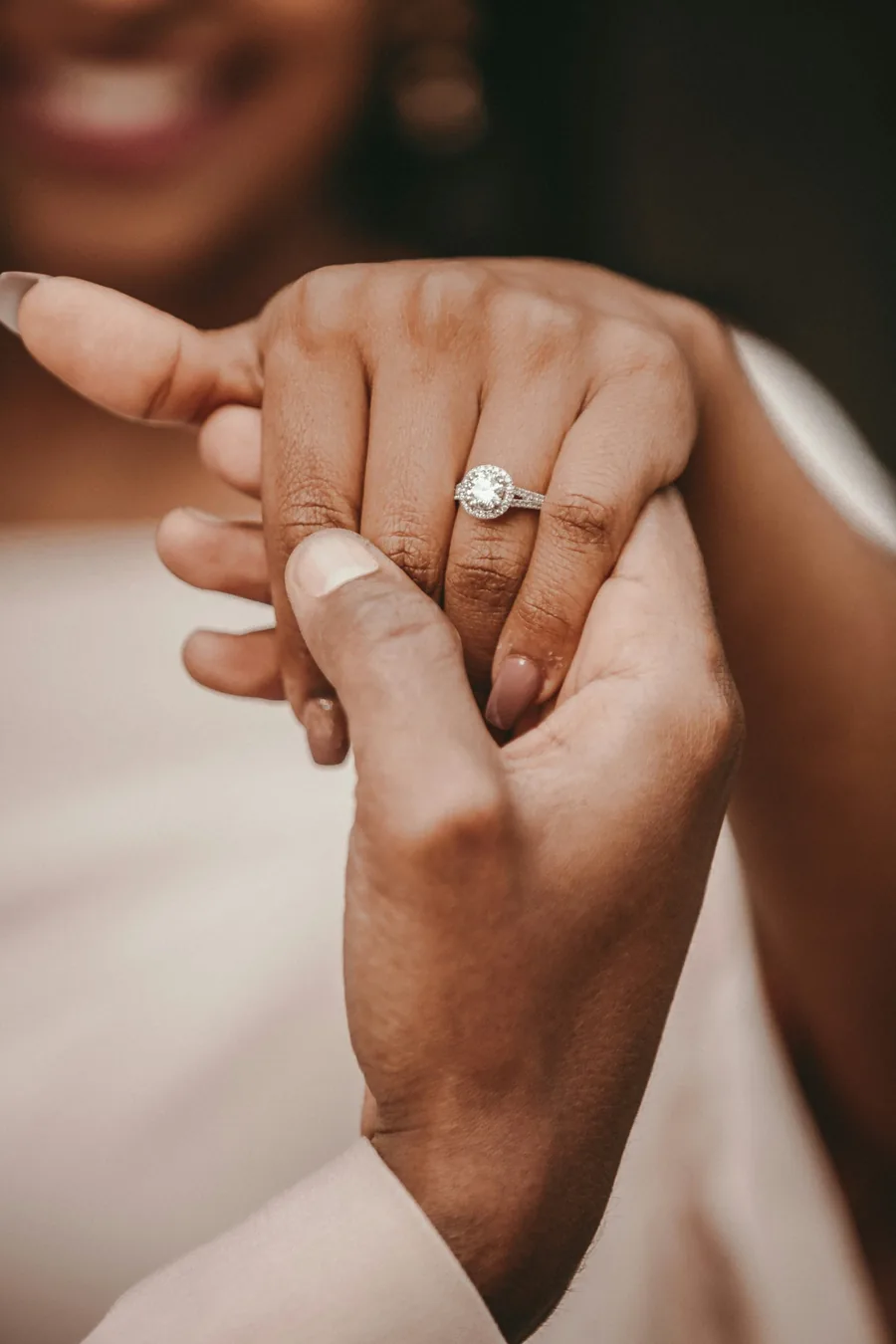
Monday Matters | Pinay Law
The wedding is off. The relationship is over. But who gets the engagement ring?

Compassionate and actionable advice tailored to your situation. We're here to help.
- Family Law
- Estate Planning
- Foreign Divorce
Now THIS is a question that can turn an already difficult breakup into an entirely different kind of disagreement.
Picture this: You’ve said yes, posted the engagement photos, started planning the wedding, and maybe even picked out the perfect venue. Then somewhere between “I do” and “I don’t,” things fall apart.
The wedding is canceled. Feelings are hurt. And somebody wants that ring back.
But wait. Wasn’t it a gift?
Not so fast. In Illinois, an engagement ring isn’t necessarily treated like an ordinary gift.
And if you’re wondering whether you have to return an engagement ring, whether it matters who ended the relationship, or whether a prenuptial agreement can protect your jewelry, keep reading.
Because the law may surprise you.
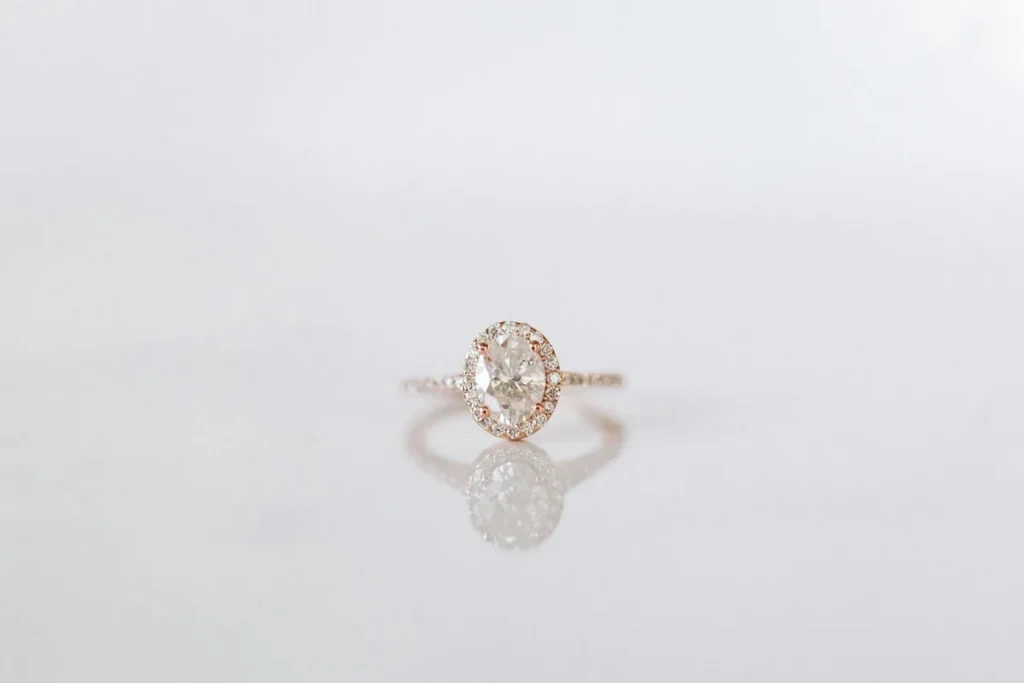
Is an Engagement Ring a Gift in Illinois?
Years ago, when I was in law school, one of the cases that sparked quite the debate involved an engagement ring.
A man purchased an expensive ring for his fiancée. Unfortunately, the engagement ended before the couple made it down the aisle.
The question? Who gets the ring?
As you can imagine, a classroom full of eager first-year law students had plenty to say.
Some argued that a gift is a gift. Once you give it away, you can’t ask for it back.
Others believed that if the marriage never happens, the ring should be returned.
And that’s where things got interesting.
Under Illinois law, an engagement ring is generally considered a conditional gift.
What does that mean?
Simply put, the ring is given with the expectation that a marriage will take place. The marriage is the condition attached to the gift. If the wedding never happens, that condition hasn’t been fulfilled. And the person who gave the ring may be legally entitled to get it back.
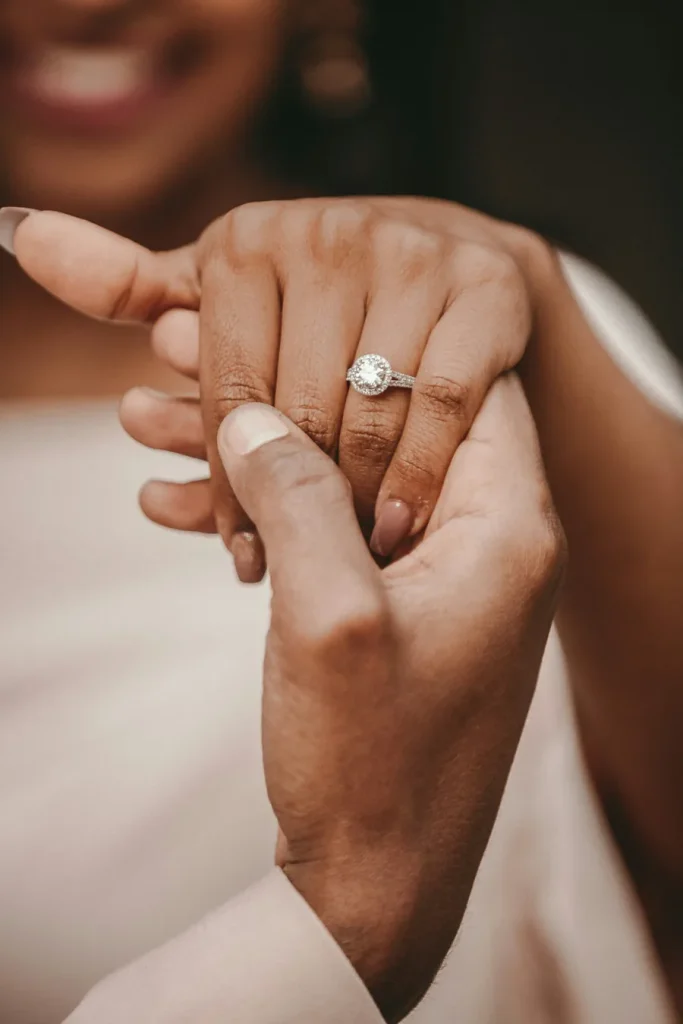
Can You Keep the Engagement Ring if You Never Get Married?
Generally, an engagement ring given in contemplation of marriage is subject to being returned when the marriage doesn’t happen.
But not every ring is an engagement ring, and not every piece of jewelry is a conditional gift.
Consider these questions:
- Was the ring given during an actual marriage proposal?
- Was it presented as a birthday or holiday gift?
- Was there an agreement about who would keep it?
- Was the ring a family heirloom?
- Did both parties contribute to the purchase?
These details can matter when determining whether the jewelry was a conditional engagement gift or an unconditional gift.
For example, receiving a diamond ring on your birthday doesn’t automatically make it an engagement ring.
But receiving an engagement ring during a birthday dinner doesn’t automatically make it an unconditional birthday gift, either.
The circumstances and intent behind the gift matter.
Can a Prenuptial Agreement Protect Your Engagement Ring?
Now, here’s something many couples don’t think about until it’s too late.
We often talk about prenuptial agreements in terms of houses, retirement accounts, businesses, and investments.
But what about jewelry?
What about an expensive engagement ring, a family heirloom, or other valuable gifts exchanged before or during the marriage?
These are all conversations worth having before walking down the aisle.
And that’s important because what happens to an engagement ring when an engagement ends is a different legal question from what happens to the ring when a marriage ends.
Signing a prenup doesn’t automatically mean it will protect you if the engagement ends before the wedding.
This is why thoughtful legal planning matters. We are here to discuss those important matters.
What Happens to the Engagement Ring in a Divorce?
Now let’s change the facts.
The couple actually gets married.
The engagement ring was given before the wedding, the marriage took place, and several years later, the parties decide to divorce.
Does the person who purchased the ring get it back?
Generally, no.
Once the marriage occurs, the condition attached to the engagement ring has been satisfied.
In Illinois, an engagement ring received before marriage will generally be considered the recipient’s nonmarital property.
What if the ring was upgraded during the marriage using marital funds? What if a family heirloom was incorporated into the ring? What if the couple signed a prenuptial agreement specifically addressing jewelry?
Those circumstances can raise additional property classification, ownership, or reimbursement questions.
This is one reason a carefully drafted prenuptial agreement can be valuable.
It allows couples to address certain property rights before disagreements arise.
And sometimes, clarity is one of the best gifts you can give each other.
What If the Engagement Ring Is Still Being Financed?
Now, this is a situation that can get messy.
Imagine the engagement ends, the ring is returned, but someone still owes thousands of dollars on the financing agreement.
Who pays?
Generally, the person who signed the financing agreement remains responsible to the lender, regardless of what happened to the engagement.
Returning the ring doesn’t automatically cancel the debt.
And if both parties contributed to the purchase, additional questions may arise.
The important thing to understand is that ownership of the ring and responsibility for paying for it are not necessarily the same legal issue.
Can You Sue Someone for Not Returning an Engagement Ring in Illinois?
Potentially, yes.
Illinois law allows certain legal actions to recover personal property that someone is allegedly wrongfully keeping. In plain English, suing to recover your engagement ring isn’t necessarily the same thing as suing someone because they decided not to marry you.
Monday Matters: Love, Marriage, and a Little Legal Planning
When I first wrote about engagement rings years ago, I was fascinated that something so romantic could become the subject of a lawsuit.
All these years later, I still am.
Because an engagement ring represents more than jewelry. It represents a promise, an expectation, and the hope of a future together.
But when circumstances change, emotions and legal rights don’t always line up.
And that’s where understanding the law becomes important.
Whether you’re planning a wedding, considering a prenuptial agreement, navigating a divorce, or dealing with a broken engagement, knowing your rights can help you make informed decisions.
About the Author
Attorney Andrea M. Harvey serves as Senior Counsel, Business Development & Strategy at Pinay Law. Andrea is passionate about helping clients navigate life’s most significant transitions with clarity, confidence, and compassion.
Through her #MondayMatters series, Andrea explores the intersection of law, leadership, business, and life—because some of the most valuable lessons learned in the practice of law extend far beyond the courtroom. Her writing is designed to inform, encourage thoughtful conversation, and provide practical insights drawn from real-world experience.
Disclaimer
The information contained in this article is provided for informational and educational purposes only and does not constitute legal advice. Reading this article does not create an attorney-client relationship with The Law Office of Janice A. Dantes or any of its attorneys. Every legal matter is unique and depends on its specific facts and circumstances. Readers should consult with a qualified attorney regarding their individual legal needs before taking any action based on the information discussed in this article.